Ready-to-move vs under-construction property in Vrindavan: 2027 guide
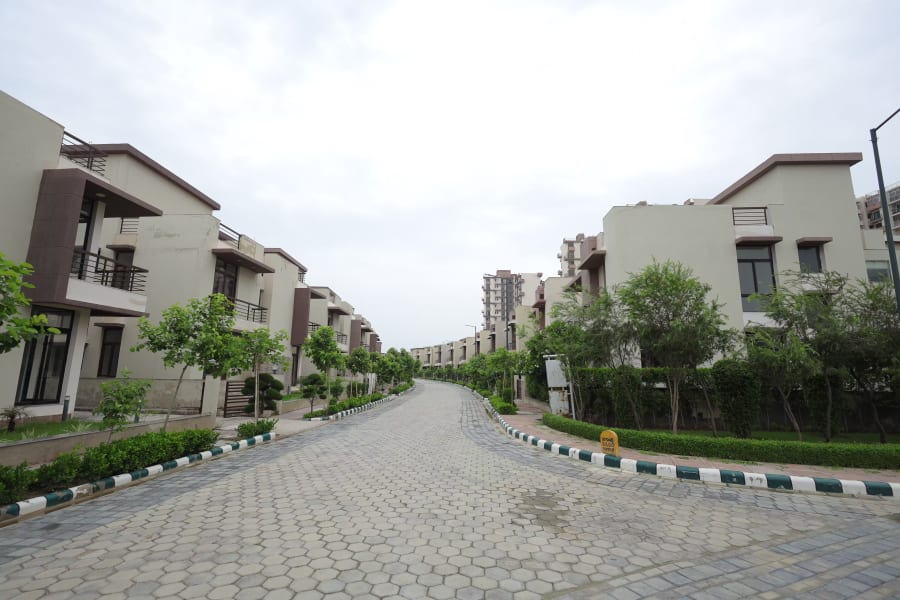
A ready-to-move home lets you inspect an existing property, while an under-construction purchase requires greater attention to milestones, funding and delivery risk. Neither label alone proves legal readiness or suitability. In Vrindavan, compare the exact phase, documents, payment schedule and date you need to begin using the home.
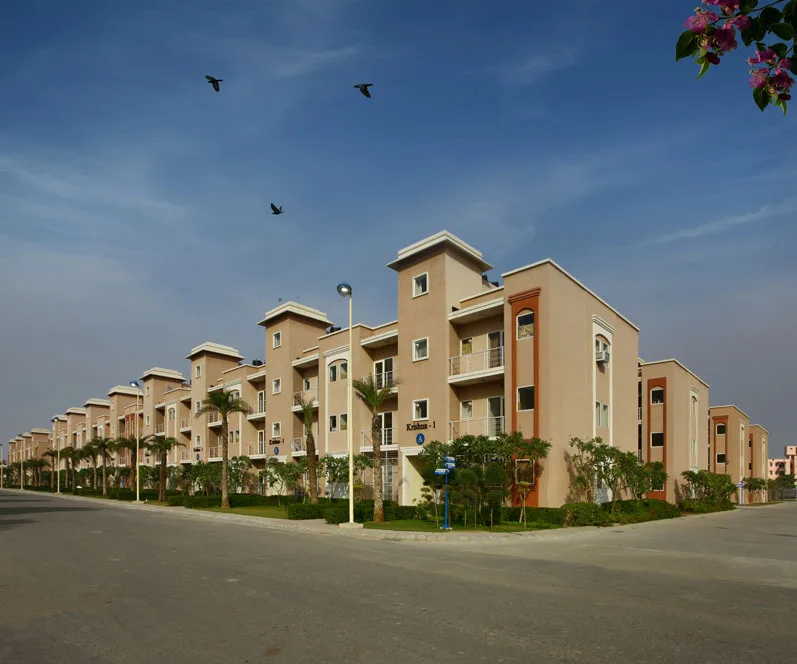
“Delivered” describes a stage. Your decision still depends on the specific unit, documents and usable services.
Four labels that should not be mixed
Property advertisements often use ready-to-move, under construction, launched and pre-launch loosely. For a buyer, they represent different questions. An existing building can be inspected, a construction site has work remaining, a launch describes marketing activity, and a pre-launch label requires especially careful examination of what is actually being offered.
A project may contain several phases at different stages. One delivered tower does not mean every tower in the township is ready. Similarly, an established developer can have both completed and newly marketed projects. Start with the exact phase and unit, then examine the claim made about it.
The Vrinda.One map separates these status categories. Its directory is a research aid, not a substitute for checking documents or inspecting the property before a transaction.
What our directory labels currently mean
Vrinda.One’s owner-supplied status update of 4 October 2026 identifies original Omaxe Eternity as delivered, Vasudev Elements as handed over, Tulsi Wings as under construction and Vivek Heritage High Rise as pre-launch. Those are dated directory statements, not fresh engineering inspections carried out for this article.
Omaxe Eternity 2 is a separate development from original Omaxe Eternity. A familiar brand and a similar name do not make their status interchangeable. Search and ask questions using the complete development name, phase and property identifier.
Before a 2027 purchase, obtain the latest written position from the responsible party and compare it with the applicable public records. Keep the date of each source in your notes. A status can change, and older marketing material may remain online after a change.
The case for seeing a completed home
An existing unit allows practical tests that a rendering cannot provide. Open the windows, examine light and ventilation, check water pressure and drainage, listen for noise and inspect the route from parking to the apartment. Test the building’s common facilities rather than assuming they operate because the structures are visible.
Ask about defects, repairs, maintenance arrears and the condition in which the seller will hand over the property. Photograph agreed inclusions with permission and record them in the transaction documents. Furniture, appliances, parking arrangements and utility deposits can affect the effective price.
Existing occupation does not itself settle every legal or technical question. Have the relevant approvals, completion or occupancy position, ownership documents and seller authority examined. The right review depends on the actual property and transaction, not just its marketing label.
The case for considering construction-stage property
A construction-stage purchase may offer a different choice of units or payment schedule, but those features must be assessed alongside the time and uncertainty before use. Ask what is built, what remains and which milestones trigger payments. Separate the completion of your unit from the readiness of roads, lifts, utilities and common areas.
Request the agreement and examine the committed delivery terms, remedies and exclusions with an independent adviser. A verbal possession month should not replace the document that governs the transaction. Understand how extensions or changes would affect your own housing and financing plans.
Inspect progress at reasonable intervals or arrange reliable independent updates. Date the evidence. A repeatedly circulated site photograph can look current even when it does not represent the latest stage.
Compare the cost of waiting
Suppose one hypothetical home is usable now at ₹60 lakh and another is offered at ₹54 lakh with two years of remaining construction. The ₹6 lakh difference is not automatically a saving. Financing costs, alternative accommodation, changing payment demands and the value of delayed personal use all affect the comparison.
Do not add imaginary appreciation to make either option win. Instead, build a base case using your expected payment dates and a slower-delivery case you could still afford. If the decision becomes unmanageable after a delay, that is relevant even when the advertised price looks attractive.
The price comparison guide helps separate consideration, transaction charges and recurring costs. Obtain current professional advice on taxes and financing for the exact purchase; different transaction stages should not be assumed to have identical treatment.
Read the phase-level public record
Use UP RERA to look up the relevant registered project where applicable. Match the promoter, location, phase, registration number and published documents with the offer in front of you. Review the portal’s available status and project-account information rather than relying on a logo in a brochure.
A registration reference is a starting point for research, not a universal guarantee of title, quality, delivery or return. If the proposed property is described as outside a requirement or exempt, ask your independent adviser to evaluate the basis for that statement.
The buying checklist gives a wider document-review structure. Keep questions about building status separate from questions about ownership and your agreement.
Match the choice to your actual deadline
A family that needs a home for regular use early in 2027 has a different tolerance for waiting from a buyer with a flexible multi-year plan. Write your desired use date and your latest acceptable date separately. Include travel, furnishing and setup time after handover.
For a second home, also consider who will coordinate repairs, utilities and deliveries. A completed but neglected unit may take time to prepare, while a new handover may require snagging and installation work. “Possession” is not always the same day as comfortable occupation.
Questions to ask at the next visit
Bring the same checklist to both options: exact unit identity, document status, usable services, complete cost, payment milestones, maintenance obligations and handover condition. Ask who will respond to defects and how responsibilities are recorded. Keep answers linked to documents or dated observations.
If rental income is part of the plan, begin the income model only when the home is legally and practically available for that use. Do not count a construction period as occupied rental time. The rental-yield guide explains the separate operating calculation.
Make a decision you can hold through a delay
The right comparison combines practical readiness with financial resilience. A lower entry price is useful only if its conditions suit your situation. A completed property is useful only if the particular home and its documents meet your needs.
Bring two specific options to a Vrinda.One consultation rather than asking whether all new launches or all resale homes are better. We can organise the comparison around your intended use, the map location and the information still needed for a well-supported decision.
Frequently asked questions
Does ready-to-move mean every approval is complete?
Not by itself. It is a marketing description that must be checked against the relevant property documents, completion or occupancy position and actual services. Ask an independent professional to review the specific transaction and inspect the exact unit.
Are Omaxe Eternity and Eternity 2 at the same stage?
They are separate developments. Our dated owner update identifies original Omaxe Eternity as delivered; the directory treats Eternity 2 separately. Always confirm the complete name and phase rather than transferring a status from one project to another.
Is Vivek Heritage High Rise ready for occupation?
Our directory records it as pre-launch based on the Vrinda.One update of 4 October 2026. This article does not claim a fresh site inspection or a delivery date. Obtain the latest project-specific documents before making a purchase decision.
How should I compare a lower construction-stage price?
Model payment dates, financing, the cost of waiting and a slower-delivery scenario. Compare the total commitment with a genuinely comparable completed property. Do not treat projected appreciation or an unverified rent promise as money already available.
Can I use the map status as my final purchase check?
No. The map provides dated research context and links to sources. A transaction needs current documents, exact phase matching, inspection and appropriate professional review. Use the map to organise questions and visits, not to replace those checks.
Sources and editorial information are dated 14 November 2026. Project status, access and availability can change. Our guides connect useful questions with attributed sources; they are not title reports, technical inspections or return guarantees.
How we approach our guidesLet’s make it
personal to you.
A place, a property or a question. Bring it to a conversation with someone who understands Braj.