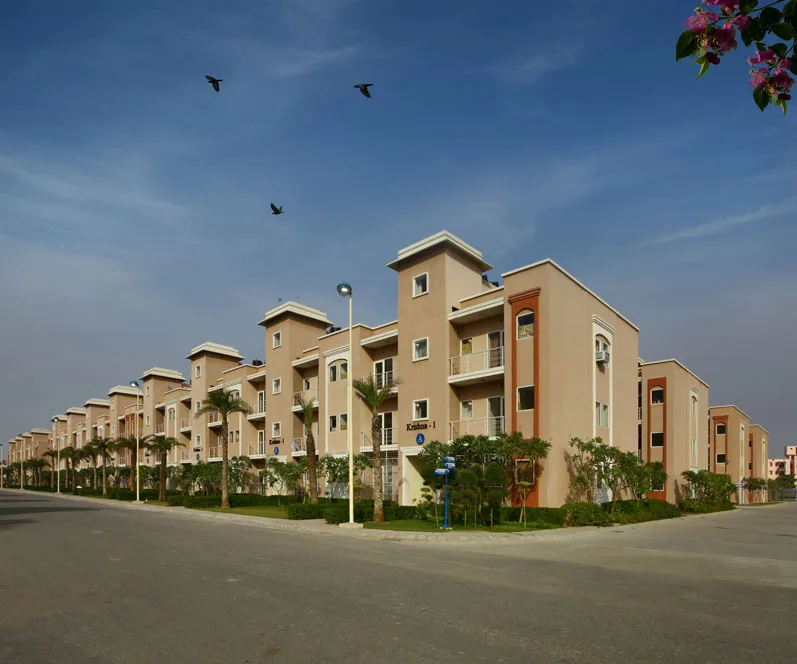
Buying property in Vrindavan: 12 checks before you commit
Before buying property in Vrindavan, identify the exact property and seller, review title and relevant approvals, check the applicable project registration, inspect the site and compare the full purchase and ownership cost. This checklist helps organise those conversations; an independent local lawyer and technical professional should assess your specific documents and building.
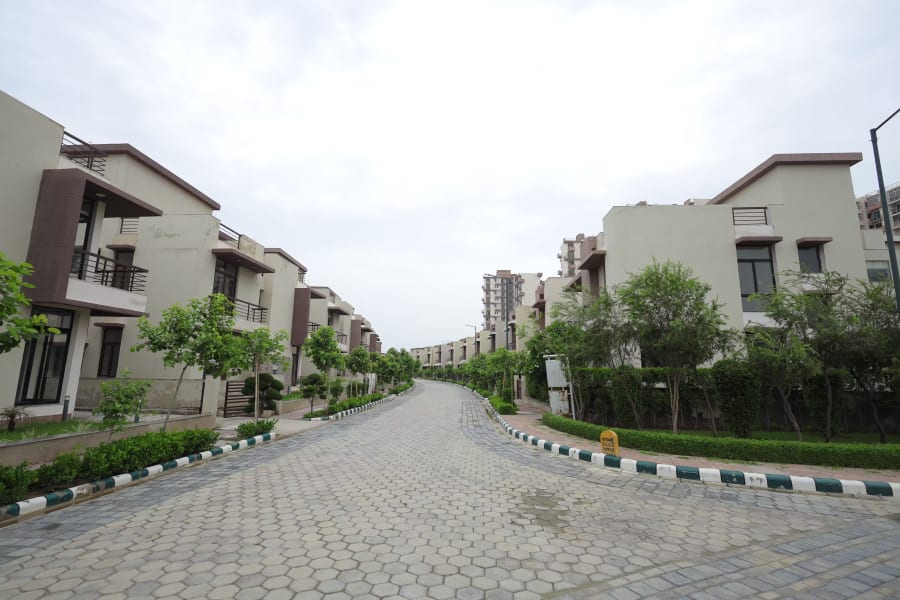
Turn every important promise into an identifiable document, a written term or something you can inspect.
Put the property at the centre of the conversation
A property discussion can quickly become a conversation about a famous temple, a future road or the developer’s next launch. Those things may help explain the setting, but the transaction concerns a specific piece of land or a specific unit. Begin by making that identity clear, then organise the evidence around it.
The twelve checks below are a practical preparation framework, not a substitute for transaction-specific legal, tax or engineering advice. Requirements vary with the property and transaction. Use independent professionals to interpret documents, permissions and condition. A sales brochure, a map marker and a registration reference each provide a different kind of information; none answers every question.
1. Write down your intended use
Decide whether you want a regular home, occasional devotional stays, land for a future house or a separately assessed rental proposition. Include who will use it, how often and any mobility or service needs. A compact apartment that suits a short visit may be a poor match for a family living throughout the year.
Keep this purpose at the top of your comparison sheet. It gives you a consistent way to evaluate options when the sales conversation shifts towards a more expensive format or a location you had not considered. A good purchase should fit a real use, not just a compelling presentation.
2. Identify the exact project, phase and property
Record the full project name, phase or sector, tower and unit number, or plot number with its layout reference. Ask for the area definitions used in the quotation and documents. Similar names can conceal genuinely different developments, and the same township can contain several separate offerings.
Our developer shortlist highlights examples such as original Omaxe Eternity and the separate Eternity 2. Keep a copy of the specific floor plan or plot layout being discussed. If the unit changes during negotiations, restart the comparison with the new identity rather than carrying assumptions across.
3. Check who owns and who is selling
Ask an independent property lawyer to review the ownership chain, seller authority and the documents relevant to the proposed sale. The name on a marketing board may be different from the legal entity involved in the transaction. Establish who will sign the agreement and receive payments.
Request the documents early enough for a proper review. Do not rely on a verbal assurance that paperwork can be supplied after a booking amount. If several parties are involved, ask your adviser to explain their roles and the evidence that connects the seller to the particular property.
4. Match the relevant project registration
Where applicable, consult the official UP RERA portal and match the registration to the project, promoter and phase. The portal provides project and promoter registration access. A number in a brochure is a starting point for checking the right record, rather than proof that every claim in the brochure has been verified.
Save the record and the date you accessed it with your purchase notes. Ask a qualified adviser to help interpret applicability and any differences between the record and the offer. Registration review and title review are separate pieces of work; one should not silently replace the other.
5. Review the relevant plan and permitted use
Ask your lawyer and technical adviser which sanctioned plans, permissions and completion or occupancy documents apply to the property. Compare the unit or plot offered with the relevant layout, rather than accepting a generic master-plan image as the document for everything on the site.
If your intended use includes short stays, commercial activity or later construction, discuss that use specifically. A residential label does not answer every operational question. Written advice on the actual documents is more useful than a broad claim that an area or whole project is simply “approved”.
6. Visit the actual property and its approach
A show apartment can introduce a product, but it cannot stand in for the unit, plot or phase you intend to buy. See the access route, entrance, surrounding activity and physical setting. Bring the relevant plan so you can connect the viewing with a clear property identity.
The interactive atlas is for discovery. Some pins are explicitly approximate area references, and even a project reference is not a surveyed boundary. Arrange the correct meeting point for a visit and keep dated notes about what you actually saw rather than treating the map as a technical survey.
7. Assess condition and construction with the right expertise
Ask a competent technical professional to review matters relevant to the building or proposed construction. A buyer’s visual impression is useful but limited. Finishes, visible facilities and a model apartment do not establish the quality of hidden work or resolve every maintenance concern.
The Vrinda.One conversation on construction quality can help generate questions. It is a conversation, not an inspection report for the property you are viewing. Separate general advice from evidence tied to your particular building and date of inspection.
8. Separate finished facilities from planned facilities
List each facility that matters to your decision and identify whether it is usable, being built or described as a future plan. Ask which phase it belongs to and what the written agreement says about access and charges. A clubhouse photograph may refer to a different part of a development.
The same principle applies outside the boundary. An operating temple campus and a rendering of a future tower represent different stages. A proposed infrastructure project can help explain long-term context, but it should not be recorded as a finished amenity supporting your daily routine today.
9. Compare a complete cost sheet
Request a written breakdown covering the property price and all stated charges. Obtain transaction-specific advice on taxes, stamp duty, registration and other applicable costs. Add the expenses of making the property usable: furnishing, fit-out, utility arrangements and any work needed after handover.
Compare the same assumptions across options. One quotation may include an item another leaves out. Keep recurring costs separate from purchase costs, and record when each payment falls due. The cheapest headline number is not necessarily the lowest cost of achieving the home or use you actually want.
10. Read the agreement before committing
Have your adviser review the proposed terms before you pay or sign. Focus on the property description, payment milestones, delivery wording, included specifications, cancellation and other obligations relevant to the transaction. If an important promise is only verbal, ask how it appears in the written documents.
Keep the version reviewed by your adviser and compare any later revision. A change in a small schedule or annexure can matter as much as the main page. Give yourself enough time to understand the transaction rather than allowing a short promotional deadline to determine the pace of review.
11. Understand the cost of owning while you are away
For occasional-use homes, consider who checks the property, handles maintenance and responds when a service fails. Ask about recurring charges and the arrangements for common areas. If a rental operator is part of the proposition, review its separate responsibilities, fees, records and restrictions on personal use.
A home that looks manageable during a weekend visit may need a more deliberate ownership plan when you live elsewhere. Write down the practical tasks and who would perform them. This makes the comparison more realistic without assuming that every development provides the same service package.
12. Make a decision file, not just a memory
Keep one folder for the exact property: plans, quotations, registration references, professional advice, dated site notes and the agreement version under discussion. Add a simple comparison with the other options you inspected. Clear records help reveal contradictions and make follow-up conversations much easier.
Before deciding, return to your original purpose and budget. Read the 2027 investment outlook if future growth is part of your reasoning, and the neighbourhood guide if daily life is the main consideration. A good process can lead to buying, choosing another property or waiting; each is better than committing without clarity.
Frequently asked questions
Where can I check a Vrindavan project’s RERA information?
Use the official Uttar Pradesh RERA website. Match the project and promoter names, registration number and phase to the documents you have been given. A similar brand name is not enough.
Does a RERA number replace a title check?
No. Registration information and a property-specific title review answer different questions. Have an independent lawyer assess ownership, seller authority, encumbrances and the documents relevant to your transaction.
Is a delivered project automatically suitable to buy?
No. A delivered label does not resolve a particular unit’s title, dues, building condition, occupancy documents or availability. Review the actual property, agreement and records.
Should I rely on a brochure’s rental promise?
Treat a projection as a claim to investigate. Ask who operates the rental, what written obligations apply, which costs are deducted, whether the intended use is permitted and what records support the assumptions.
What should I bring to a consultation?
Bring the project and phase name, unit or plot details, quoted cost sheet, available registration reference, proposed agreement and your intended use. Photographs and notes from a site visit also help make the discussion specific.
Sources and editorial information are dated 4 October 2026. Project status, access and availability can change. Our guides connect useful questions with attributed sources; they are not title reports, technical inspections or return guarantees.
How we approach our guidesLet’s make it
personal to you.
A place, a property or a question. Bring it to a conversation with someone who understands Braj.