Should you invest in Vrindavan in 2027? A grounded outlook
Investing in Vrindavan in 2027 may suit buyers who value long-term personal use, a connection to Braj and a carefully researched property. The case depends on the individual location, documents, purchase cost and holding capacity. This forward-looking guide uses information available on 4 October 2026; it does not predict returns.

A property should make sense at today’s usable location and total cost, even if a future announcement takes longer than expected.
Start with your reason for owning in Braj
The question “why invest in Vrindavan in 2027?” deserves more than a list of growth promises. A home used regularly by your family has a different purpose from a plot held for resale. A second home for devotional visits has a different pattern of costs from an apartment operated as a rental. Before evaluating a market story, describe what a successful purchase would do for you.
This article is a forward-looking planning guide prepared in October 2026. It does not claim to know 2027 prices, returns or completion dates. Our practical view is that Vrindavan is worth researching when the place has a clear role in your life and the particular property stands up to scrutiny. A year on the calendar should not become a deadline to buy something unsuitable.
1. A meaningful personal-use case can be a starting point
Vrindavan’s religious and cultural identity is central to its appeal. The district’s official tourism directory identifies its temples alongside other destinations in the Braj region. That establishes the place’s visitor context; it is not a forecast of apartment demand, room occupancy or price appreciation.
If you already make regular visits, ask what ownership would improve. Would it let an older family member stay comfortably? Would you use the home outside major festivals? Would a rental home or a longer hotel stay serve the same purpose with fewer obligations? Your honest answers are more useful than counting how many people might visit the city in general.
2. There are different property formats to compare
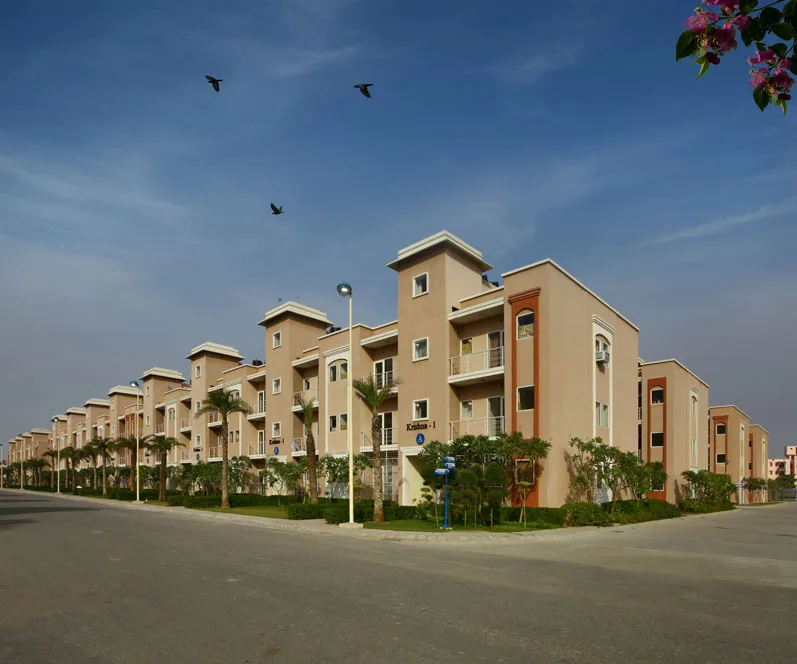
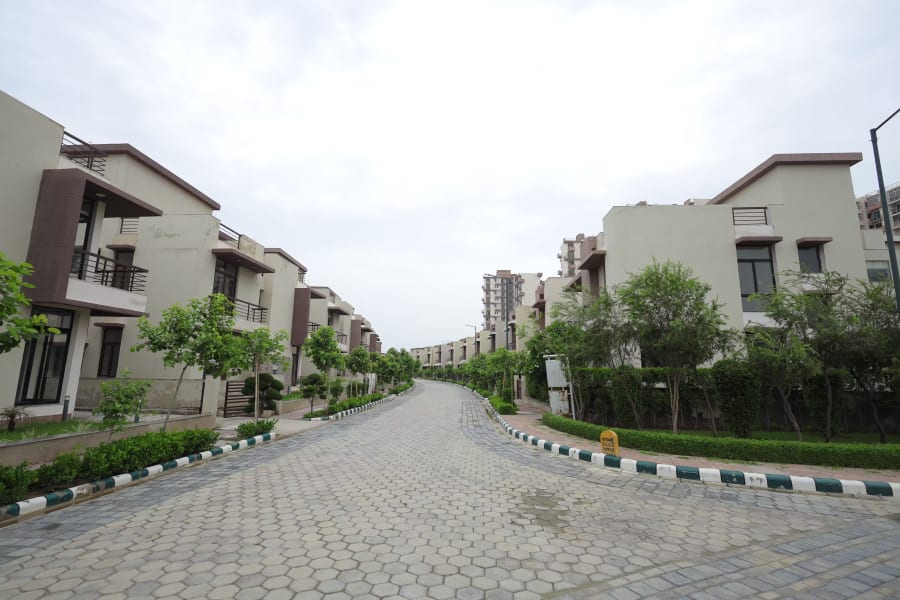
The Vrinda.One directory includes apartments, villas, plotted developments and hospitality-related offerings. That variety creates choices, but it also makes broad comparisons misleading. A price for a plot is not directly comparable with the price of a furnished, usable apartment. A serviced-apartment proposition may carry different operational arrangements from a conventional residential home.
Use the developer shortlist to identify relevant formats. Then compare like with like: the same intended use, similar stage, meaningful location and full cost. Ask how much additional spending or work stands between signing an agreement and using the property in the way you intend.
3. Existing connectivity matters more than a headline
YEIDA describes the Yamuna Expressway as a 165-kilometre connection between Greater Noida and Agra. It is relevant regional infrastructure, but the complete journey to a property includes the approach roads and last part of the trip. The authority’s infrastructure overview is a better reference for the expressway than a property advertisement’s travel-time promise.
Try the journey you would actually make. Record the route, time of day and parking arrangements. If you expect older relatives, regular deliveries or frequent visitors, inspect those practical needs separately. Being near a landmark on a marketing map and reaching your own front door comfortably are different tests.
4. Read future infrastructure as a scenario
On the page reviewed for this guide, YEIDA describes Heritage City in the Raya Urban Centre context as a proposal with an updated detailed project report for Board consideration. The official Heritage City page is the source. We do not treat that description as a completed destination, an approved delivery timetable or a reason to promise gains in nearby land.
Apply a simple scenario question: would the purchase still suit you if the proposed attraction or road took longer than expected? If the answer is no, you may be relying too heavily on an outcome outside your control. Keep a separate column for existing facilities, visible work and announced plans when comparing properties.
5. A major temple project is not the same as a finished amenity
The official Chandrodaya Mandir description explains the larger temple vision. Our atlas labels the development under construction and separates the functioning campus from a planned completed rendering. That distinction matters when a sales presentation uses a future skyline to describe the surroundings of a property today.
Explore Chandrodaya on the map, then assess the property on its own documents and access. Devotional significance can be personally meaningful without supplying a financial forecast. A compelling image of a future destination should never substitute for a clear understanding of what currently exists.
6. Price is only one part of the ownership cost
Build an all-in cost sheet before comparing options. Include the quoted property price and obtain transaction-specific advice on applicable taxes, registration and other charges. Add fit-out, furnishing, maintenance, utilities, insurance where relevant, travel and the cost of keeping the home usable when you are away. If borrowing is involved, consider affordability over your intended holding period with an appropriate adviser.
Do not let an attractive entry price hide a product that needs substantial additional spending. Equally, do not reject a more usable option without comparing what its price includes. Written cost sheets make these differences visible and give you a clearer basis for a conversation with the seller.
7. Test rental assumptions without borrowing a market story
Tourism interest and a property’s rental performance are different measures. If rental income is part of your reasoning, ask for property-specific evidence: comparable occupied units, achieved income, recurring expenses, management terms and how personal-use dates affect availability. Check whether the intended use is permitted under the relevant documents and operating rules.
Separate gross receipts from money left after costs and vacant periods. Consider a conservative case with lower use and higher expenses, rather than relying only on a seller’s best-case projection. This guide deliberately gives no yield percentage because we do not have verified unit-level operating records for the reader’s proposed purchase.
8. Consider the exit before the entry
Think about who might use the property after you and what would make it practical for them. A difficult approach, unclear documentation, heavy recurring costs or a highly specialised layout may narrow that audience. None of these considerations provides a resale forecast, but they help you ask better questions about flexibility.
Plan for a holding period that you can afford without needing a quick sale. Property transactions may require time, negotiation and additional costs. If your wider finances depend on selling on a precise future date, discuss that constraint with an independent financial professional before making a commitment.
Compare the purpose, not just the pitch
| Intended use | A useful first question | Evidence to seek |
|---|---|---|
| Regular family home | Can our normal routine work here? | Site visits, access, services and building condition |
| Occasional devotional stays | Will we use it enough to justify ownership? | A realistic visit pattern and annual running-cost sheet |
| Residential plot | What exactly can be built and when? | Title review, sanctioned layout, permitted use and access |
| Rental-led purchase | What supports the income assumption? | Unit-level records, permissions and operator terms |
A practical plan for your 2027 search
Begin with two or three areas from the Vrindavan neighbourhood guide. Use the same visit checklist in each area so an impressive show home does not dominate your notes. Review the exact project and promoter information on UP RERA where applicable, alongside independent title and technical checks.
Finally, put unresolved questions into the comparison before paying or signing. The 12-point buying checklist gives that process a structure. A sensible decision may be to buy, keep researching, rent first or wait. The aim is a property that fits your life and finances, not simply participation in a popular story about 2027.
Frequently asked questions
Is Vrindavan property guaranteed to appreciate in 2027?
No. Future prices depend on the specific asset, supply, affordability, liquidity and wider conditions. A spiritual or infrastructure story cannot guarantee appreciation or a resale buyer.
Should I buy a plot or an apartment in Vrindavan?
An apartment may better suit immediate personal use if the relevant building is ready and documents are in order. A plot can offer a different ownership format but may involve development, access and construction decisions. Compare the full cost and intended use.
Can tourism guarantee rental income?
No. Visitor interest does not establish occupancy for a particular apartment. Rental use also depends on permissions, building rules, management, seasonality, competition and operating costs. Ask for verifiable property-specific records.
Is Heritage City already a completed attraction?
The YEIDA page reviewed for this guide describes a proposed Heritage City and an updated detailed project report for Board consideration. We treat it as planning context, not as a completed amenity or a promised delivery date.
How should I start planning a 2027 purchase?
Write down your intended use, all-in budget, holding period and essential services. Shortlist areas, inspect actual properties, review documents with independent professionals and compare the same phase and unit format before committing.
Sources and editorial information are dated 4 October 2026. Project status, access and availability can change. Our guides connect useful questions with attributed sources; they are not title reports, technical inspections or return guarantees.
How we approach our guidesLet’s make it
personal to you.
A place, a property or a question. Bring it to a conversation with someone who understands Braj.