Where to live in Vrindavan: 6 areas to understand first
Areas to compare when looking for a home in Vrindavan include the old city, Raman Reti, Chaitanya Vihar, the Chhatikara approach, Sunrakh Road and the Raal–Radha Kund corridor. The best fit depends on your routine, mobility and property type. Use this guide to plan visits, rather than treating neighbourhood names as quality guarantees.

Begin with an ordinary day in your life, then work backwards to an area and a property.
Choose a routine before choosing a neighbourhood
“Best area in Vrindavan” means different things to different people. One person wants frequent temple visits with little planning. Another needs a home that works for longer stays, family visits and ordinary errands. Someone buying a plot may prioritise a future building plan over immediate occupation. Begin with that distinction and the map becomes much more useful.
The six settings below are broad search areas, not official boundary definitions or promises about every street. Our practical comparisons are suggestions for what to inspect. They do not claim measured travel times, neighbourhood price averages, safety ratings or guaranteed access to services. Use the Braj atlas to understand relationships, then test the actual address.
1. Old Vrindavan — start with your devotional routine
The old-city search is relevant when places such as Banke Bihari, Radha Raman, Nidhivan and the riverfront are central to your visits. Their relationship on the map can help you decide which surroundings you want to experience more closely. The district’s tourism material provides the public destination context behind these references.
During a visit, consider how you would reach the actual front door with luggage, groceries or a less mobile family member. Ask about deliveries, parking arrangements and the route at the times you would use it. Close proximity to a meaningful temple can be valuable to you, but it should be considered alongside the practical routine of the household.
Begin with the Banke Bihari area reference, then inspect an individual property on its own merits. Avoid assuming that every address described as “near the temple” has the same access or setting.
2. Raman Reti — relate your stay to the places you use
Raman Reti is a useful setting to explore when ISKCON and Prem Mandir feature in your regular visits. Both appear in the official district tourism directory. That association is a geographic starting point, not evidence that a particular building is convenient for every member of your family.
Walk or travel the actual route from a shortlisted address to your intended destinations. Check what the return journey feels like after an outing, not only the arrival during a property tour. If you plan to work remotely or spend longer periods at home, include the practical services and the interior living arrangement in the same assessment.
The ISKCON atlas view can help you orient yourself. Use a short list of real addresses and repeat the same observations at each, rather than relying only on a sales phrase about temple proximity.
3. Chaitanya Vihar — inspect the everyday details
Chaitanya Vihar is one of the named locality references in the Vrinda.One map and the area of our listed office address. It is worth considering as a defined part of your search when you want to understand daily living alongside devotional visits. Our presence there is context, not a claim that every property in the locality is a recommended purchase.
For a longer-stay home, note the facilities you would use on an ordinary week: shopping, transport, medical needs, deliveries and somewhere comfortable to spend time at home. Check these for the actual street and your own requirements. A locality name can help organise viewings, but it does not replace those observations.
Open the Chaitanya Vihar map reference and create your own route between the destinations that matter. If you visit our office, bring that list so the conversation begins with your life rather than an unrelated set of available properties.
4. Chhatikara and the western approach — compare the complete journey
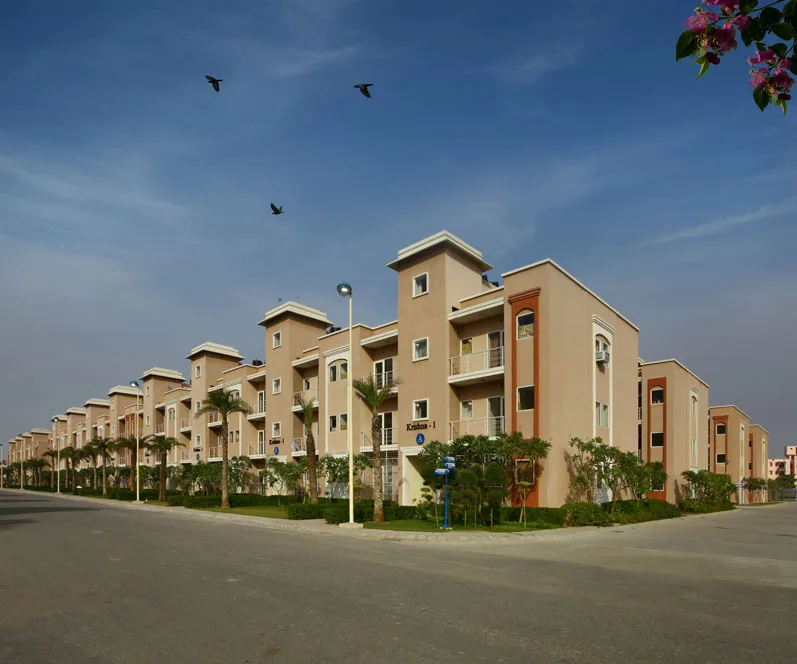
The Chhatikara side includes project references such as original Omaxe Eternity and Krishna Bhumi, while the broader highway-side search also includes Suncity Anantam. These names describe different developments, not one interchangeable neighbourhood or construction stage. Use the developer comparison guide to separate them before arranging viewings.
If you expect to arrive regularly by road, test the approach to the exact development, its gate and the final movement to your unit. Then make the journey to the places you will visit most often. The convenience of arriving in the region does not automatically tell you how a daily temple visit, errand or family outing will work.
The Chhatikara reference gives the area context. Inside a larger development, also compare the particular phase, internal access and recurring charges. Township scale alone does not explain the experience of living in one specific block.
5. Sunrakh Road — identify the project before comparing options
The Sunrakh corridor appears repeatedly in the directory through apartment and township profiles, including Tulsi Wings, Vasudev Elements and Keshav Majestic. Their formats and stages differ. Vrinda.One’s 4 October 2026 updates mark Tulsi Wings under construction and Vasudev Elements handed over, so they should not be compared as if they offered the same immediate use.
For each viewing, write down the development’s exact name, phase and address. Ask how the approach shown in a brochure relates to the gate you will actually use. Explore the Tulsi Wings map profile for one reference, then compare the others using the same buying checklist.
Where a listing has a dashed area marker, treat it as a neighbourhood guide. Do not infer a project entrance from a broad pin. Your visit and property documents should resolve the particular site you are considering.
6. Raal–Radha Kund and the wider Braj search
Some properties marketed with the Vrindavan name belong to a broader search area. The directory includes Raal Road developments and Radha Kund corridor references, while other profiles extend towards Govardhan or the Barsana region. These may suit a particular purpose, but the regional name should not blur the difference between their daily travel patterns and a city address.
Use the Shri Vrinda Sharnam reference to begin exploring one part of that corridor. If Govardhan or another Braj destination is central to your plans, make that a deliberate preference rather than an accidental consequence of following a familiar project name.
Inspect the actual setting and the services you need today. Separate future development proposals from usable roads and facilities. A location can be meaningful without needing to be described as the same distance from every major temple or as the inevitable next investment hotspot.
Compare each area with the same questions
| Your priority | What to test on a visit |
|---|---|
| Frequent darshan | The actual outward and return route, walking needs and current access arrangements |
| Longer family stays | Services, layout, recurring costs and the comfort of ordinary days |
| Occasional use | Care while away, security arrangements and maintenance responsibilities |
| A future home on a plot | The particular layout, access, permitted use and development obligations |
| A rental plan | Property-specific permissions, operator terms, records and all running costs |
Pick two or three areas and spend enough time in each to collect comparable observations. Take notes before moving to the next property. If possible, experience the surroundings beyond a guided sales visit; the details you notice yourself will help make later conversations more useful.
Turn a visit into an informed next step
The places-to-visit guide can help you plan meaningful time in the city, while the podcast conversations introduce questions about heritage, access and local change. Neither replaces a review of a property’s documents, but both can improve your understanding of why one setting feels more suitable than another.
Vrinda.One’s role is to connect that understanding with a practical property search. Share your routine, preferred areas and the kind of home you want to use. We can help make the next conversation specific, with a smaller set of locations and questions that match your purpose.
Frequently asked questions
Which area in Vrindavan is best for a family home?
Choose according to the services, access, space and daily routine your family needs. Compare individual streets and buildings in person. A neighbourhood label cannot establish medical access, building quality or a comfortable daily journey.
Should I live close to Banke Bihari Mandir?
Proximity may matter if frequent visits are central to your routine. Also assess walking comfort, access arrangements, deliveries and the practical needs of everyone who will stay with you.
Is Sunrakh Road the same as the old city?
No. They describe different parts of the local property search. Use the map to understand their relationship to your regular destinations, then check the exact project approach and address.
Are Radha Kund and Govardhan part of the same daily-life area?
They belong to the wider Braj region and should be assessed as their own locations. Do not assume that a property marketed with the Vrindavan name has the same daily travel pattern as a city address.
How many neighbourhoods should I inspect?
Start with two or three that fit your purpose, then compare a small set of properties using the same checklist. A focused visit usually produces clearer notes than a rushed tour of many unrelated options.
Sources and editorial information are dated 4 October 2026. Project status, access and availability can change. Our guides connect useful questions with attributed sources; they are not title reports, technical inspections or return guarantees.
How we approach our guidesLet’s make it
personal to you.
A place, a property or a question. Bring it to a conversation with someone who understands Braj.