Top 10 places to visit in Vrindavan, at your own pace
Ten places to visit in Vrindavan are Banke Bihari, Prem Mandir, ISKCON, Keshi Ghat, Radha Raman, Govind Dev, Madan Mohan, Nidhivan, Rangji Temple and Chandrodaya Mandir. Group nearby places into unhurried visits, check current temple access and leave time for the lanes, the river and the devotional life around them.
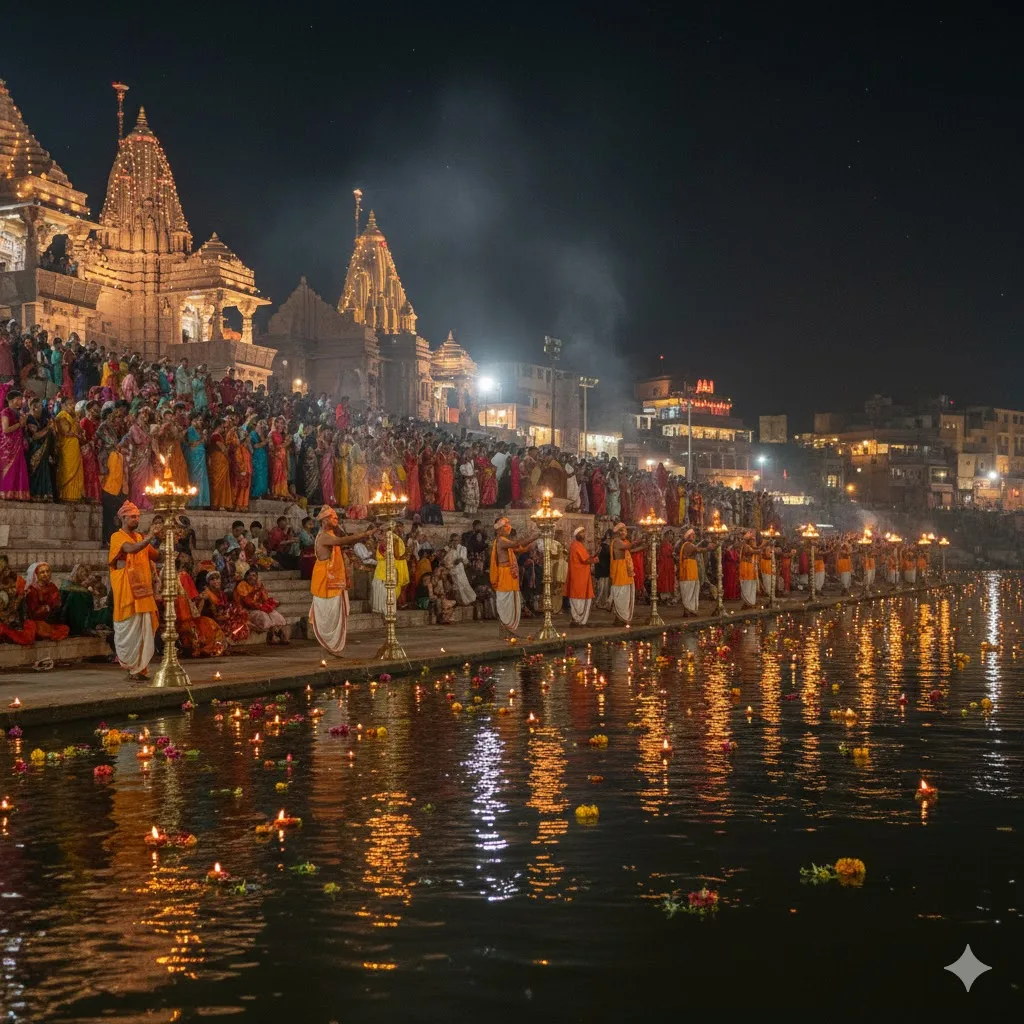
Choose a few meaningful stops. A comfortable visit leaves space for darshan, rest and the unexpected.
Plan a visit around the place, not a checklist
Vrindavan rewards attention. A short list of places can help you find your bearings, but it should not make darshan feel like a race. The sequence below is an editorial selection of temples, a sacred grove and the riverfront. It is not a prescribed pilgrimage order, a complete inventory or a claim that one sacred place is more important than another.
The Mathura district tourism directory provides an official starting point for the region. Opening arrangements, access and festival conditions should be checked close to your visit. We deliberately avoid publishing one fixed set of darshan hours that could become misleading. Carry less, allow breaks and plan around the mobility of the people travelling with you.
1. Banke Bihari Mandir
Banke Bihari is an important Krishna temple in Vrindavan’s old-city setting. The district administration’s temple page identifies the temple and its devotional context. For many visitors, it is a natural anchor for an old-Vrindavan outing, but the visit needs time for the surrounding lanes as well as the temple itself.
Use the Banke Bihari map reference to understand the area. Check the official visitor arrangements and decide on a meeting point with your group. If a family member needs a gentler pace, make that part of the plan from the start rather than adding it after a packed schedule has been made.
2. Prem Mandir
Prem Mandir offers a different architectural experience from the older temples. Incredible India describes its white marble and devotional scenes associated with Krishna’s life. The official tourism description is a useful introduction to the building’s visual character.
Give yourself time to look at the details rather than treating the grounds only as a photographic stop. The Prem Mandir atlas view includes an illustrative architectural model, which can help you recognise its form before a visit. The model is an artistic interpretation, not a measured replica or a substitute for current visitor information.
3. ISKCON Vrindavan
ISKCON’s Krishna Balaram temple belongs on a first visit that seeks to understand different devotional settings in the city. It is included in the district’s tourism guidance. Approach the visit as time in a living place of worship, with attention to the activities and arrangements you find there.
You can use the ISKCON map reference alongside Prem Mandir to understand this side of Vrindavan. Nearby on a city map does not automatically mean a fixed walking time or an accessible route for every visitor. Decide on the actual approach according to your group and the arrangements on the day.
4. Keshi Ghat
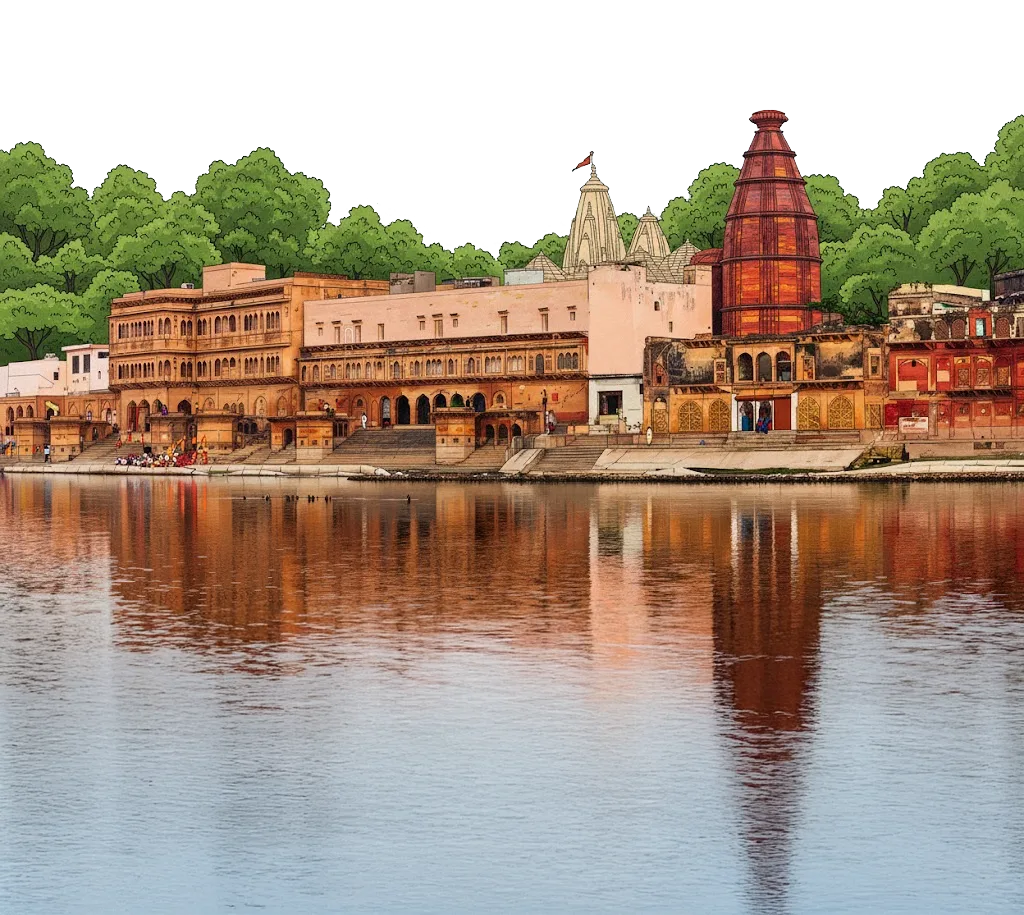
Keshi Ghat brings the Yamuna into the experience of Vrindavan. The riverfront appears in the district’s Vrindavan destination collection, alongside its temples. It offers a change of setting from enclosed temple spaces and busy streets, while remaining part of the city’s devotional landscape.
Explore the Keshi Ghat reference before planning your approach. Keep the river edge, steps and the comfort of your companions in mind. Do not assume a particular ceremony, boat arrangement or timetable from an undated photograph. Ask locally about the current conditions and follow the instructions of the relevant operators and authorities.
5. Radha Raman Mandir
Radha Raman is another important stop for visitors who want to spend more time with the old city’s temple traditions. The Mathura district’s photo and destination collection includes Radha Raman among its Vrindavan references. It fits naturally into a visit focused on devotional places rather than simply the largest buildings.
The Radha Raman map view helps you relate it to the other old-city stops. Leave room in the day to sit, observe and follow the temple’s current arrangements. If you are visiting with someone for whom this temple has particular meaning, let that preference shape the itinerary instead of giving every stop the same time allowance.
6. Govind Dev Temple
Govind Dev offers an architectural perspective on Vrindavan’s heritage. The district administration includes it in its Madan Mohan and Govind Dev destination coverage. It is a useful choice for visitors who are interested in the relationship between devotional life and the city’s built form.
Open the Govind Dev map reference to see its setting. Our 3D interpretation emphasises the building’s distinctive mass and material character, while avoiding a claim of exact historical reconstruction. At the site, take time to notice what is actually present and follow any access restrictions rather than relying on a rendering to anticipate every detail.
7. Madan Mohan Temple
Madan Mohan is also featured in the district’s Vrindavan destination collection. It provides another way to experience the older architectural identity of the city. In a short stay, combining it with a few other old-city places can be more rewarding than repeatedly crossing the city to collect unrelated stops.
The Madan Mohan atlas entry gives you a geographic reference and a separate architectural interpretation. Before choosing a route, think about the walking and access needs of your group. If the day is already demanding, leave this visit for another outing rather than turning the experience into a rushed arrival and departure.
8. Nidhivan
Nidhivan offers a sacred-grove setting within the wider devotional experience of Vrindavan. The Ministry of Tourism’s Timeless Treasures of Mathura itinerary includes it among the region’s places to explore. Treat religious narratives with respect while distinguishing tradition from a claim requiring historical or scientific proof.
Use the Nidhivan map reference for the surrounding context. Follow the site’s current entry and closing instructions. A thoughtful visit does not need sensational stories or promises about unusual experiences; attention to the grove and its devotional importance is enough to give the stop a place in your day.
9. Rangji Temple
Rangji, also identified as Rang Nath ji in the district’s destination collection, broadens the architectural and devotional variety of this list. The official district website groups it with other Vrindavan temple references. It is an alternative to repeating only the same two or three names in every itinerary.
Check the current visitor arrangements through the temple or local information before setting out. Rangji is included in this reading guide, but it does not yet have a dedicated model in the atlas. That distinction is deliberate: the article’s list and the current 3D collection serve related purposes without pretending to contain exactly the same places.
10. Chandrodaya Mandir
Chandrodaya introduces the developing side of Vrindavan’s temple landscape. The temple’s official project description sets out its larger vision. The overall project is under construction; a functioning part of the campus should not be confused with the full future tower shown in planned imagery.
Our Chandrodaya map profile keeps that construction label visible and separates the supplied construction photograph from the planned rendering. Before a visit, check which parts are open to visitors. Respect any separation between the visitor area and construction activity, and avoid building an itinerary around an assumed completion date.
A gentle way to divide your time
For an old-city outing, choose a manageable combination of Banke Bihari, Radha Raman, Nidhivan, Govind Dev, Madan Mohan and the riverfront. For a separate outing, consider the Raman Reti and Chhatikara-side places. This is a geographic suggestion rather than a turn-by-turn route; actual access and your own priorities should decide the order.
If you are thinking of staying longer, read the Vrindavan neighbourhood guide and spend some time on ordinary daily needs as well as special visits. A first journey can be both devotional and practical. Vrinda.One’s podcast conversations offer another way to hear people discuss the place and its changing future before you decide how you want to belong to it.
Frequently asked questions
Can I visit all ten places in one day?
It is better to choose a smaller set than make ten stops a target. Darshan arrangements, traffic, walking, rest and family needs affect the day. Divide the old-city places and the Raman Reti–Chhatikara side across separate outings if possible.
Are temple opening times the same throughout the year?
Do not assume a fixed timetable. Seasonal, festival and special-darshan arrangements can change. Check the relevant temple’s official visitor information and local arrangements before setting out.
Is Chandrodaya Mandir fully completed?
No. The larger development is under construction. A functioning campus and a rendering of a future tower represent different things. Our map labels the construction status and keeps the planned vision separate.
Are Barsana and Govardhan inside Vrindavan?
They are separate places in the wider Braj region, rather than stops within Vrindavan city. Give them their own travel time and use the Wider Braj map when planning those visits.
Can I combine temple visits with property viewings?
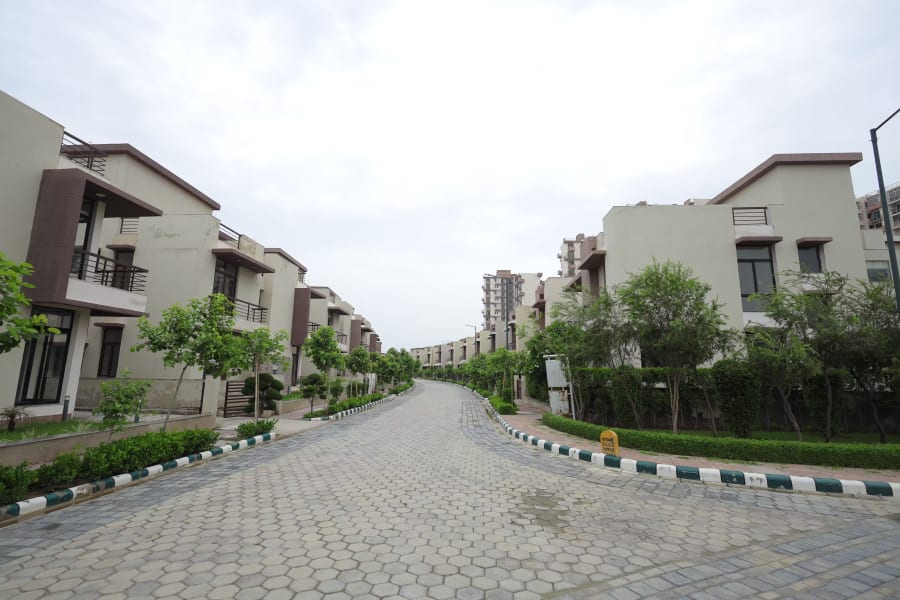
Yes, but allow time for both. Experience the area at your own pace, then inspect a short property shortlist separately. A peaceful darshan and a detailed building visit both deserve attention.
Sources and editorial information are dated 4 October 2026. Project status, access and availability can change. Our guides connect useful questions with attributed sources; they are not title reports, technical inspections or return guarantees.
How we approach our guidesLet’s make it
personal to you.
A place, a property or a question. Bring it to a conversation with someone who understands Braj.