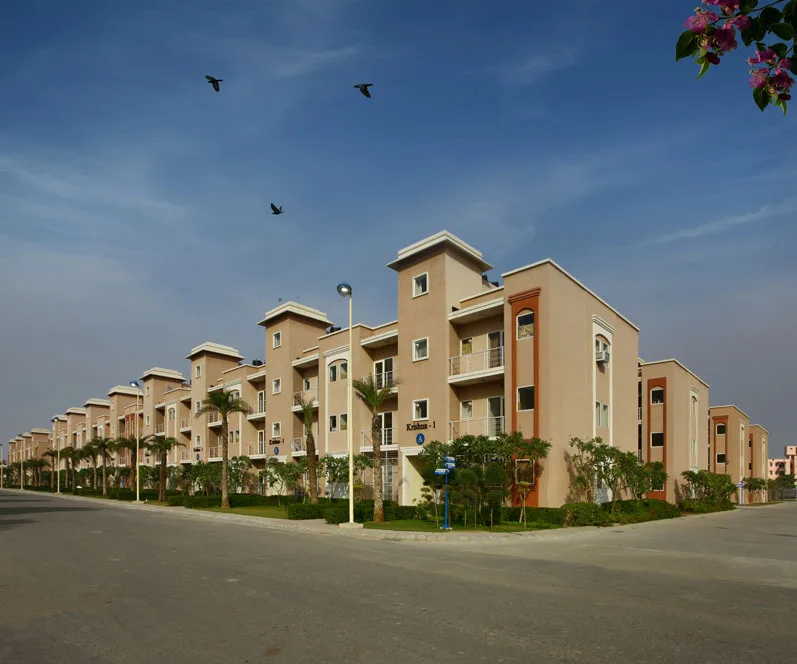
Buying a second home in Vrindavan in 2027: a practical family guide
A second home in Vrindavan works best when its location, upkeep and recurring costs match the way your family will use it. Start with your visiting pattern, mobility needs and budget before comparing projects. A connection to Braj can be deeply personal; the property decision still benefits from careful practical planning.
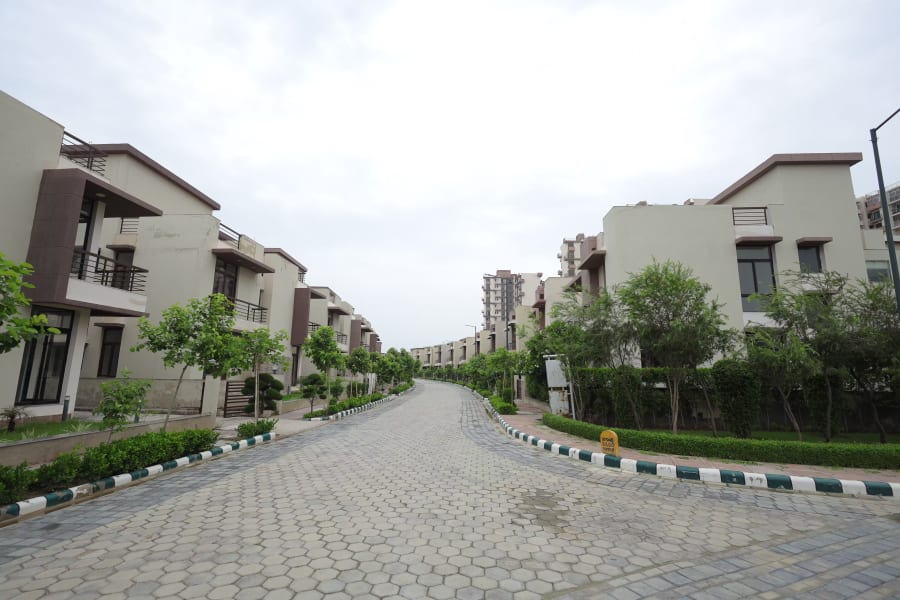
The right second home should make returning to Braj easier, including on ordinary days between the festivals.
Write the family routine first
Think about a typical visit rather than only an ideal weekend. Who travels, how long do they stay and what do they need from the home? A couple making short devotional visits may prioritise a different setting from a family spending several weeks with children or older relatives.
List the destinations you actually return to: a temple, an ashram, friends, a familiar market or a route out of the city. Mark essential services separately. The closest building to one landmark may create compromises for the rest of the routine.
Try writing a one-page brief with three essentials and three preferences. Essentials might include step-free access, a usable kitchen and reliable maintenance. Preferences could include a particular view or an extra room. This makes it easier to compare attractive properties without changing your priorities at every visit.
Test the journey from door to door
A second home begins with the arrival experience. Visit the exact entrance, check where a taxi can stop, understand parking rights and walk the route to the lift or apartment. Do not substitute the location of a sales office for the entrance your family will use.
If regular temple visits matter, try the actual route at a representative time. Straight-line kilometres are useful for orientation but do not describe traffic, walking surfaces, crossings or access restrictions. A slightly longer distance can still provide a more comfortable routine for a particular family.
The Braj atlas helps organise destinations and project profiles. Use it to prepare a visit, then record your own observations on the ground.
Inspect a home as if you were staying that night
Check water pressure, drainage, ventilation, locks, electrical points and the condition of the kitchen and bathrooms. Try mobile reception and ask about internet options if work or family contact will depend on them. Examine backup arrangements and what they actually supply during an interruption.
For a vacant home, look for dampness, pests, dust entry and signs of poor ventilation. Ask how long it has been closed and what regular care it receives. A freshly decorated room can still require practical work before it is comfortable for a longer stay.
Take a measured floor plan and confirm furniture dimensions. A room that looks generous in a wide-angle photograph may not accommodate the beds, storage or mobility space your family needs.
Plan for the weeks you are away
Second-home ownership includes absence. Decide who checks the property, notices leaks, receives service visits and prepares the home before arrival. Obtain a written description of any paid management service, its charges, limits and emergency contact process.
Clarify keys and access permissions. If someone can enter the home for cleaning or repairs, agree on how visits are authorised and recorded. Keep personal possessions, important documents and access credentials under your own control.
Ask about recurring building maintenance and how decisions on shared repairs are made. A low monthly charge is not necessarily an advantage if essential maintenance is deferred and later becomes a larger assessment.
Make accessibility a real inspection
For older relatives or anyone with limited mobility, inspect every stage from the vehicle to the bedroom and bathroom. Count steps, examine thresholds, test lifts and check whether corridors remain usable when doors open. A claim of “senior-friendly” should lead to specific observations, not end the enquiry.
Consider the ability to reach healthcare and other essential support using current, verified information. Identify the services your family actually needs and check them directly. This guide does not certify medical provision or response times for any neighbourhood.
If accessibility modifications are necessary, establish whether they are feasible, permitted and included in your setup budget before choosing the property.
Compare buying with repeated stays
Buying is not the only way to spend time in Braj. Compare the annual cost of ownership with the cost and flexibility of arranging accommodation for your actual visits. Include transaction costs, furnishing, upkeep and the time spent managing the property.
For example, a family visiting only occasionally may value flexibility, while another family may place substantial personal value on having its own kitchen and familiar space. Neither preference needs to be disguised as an investment forecast. Keep personal value and expected financial return as separate reasons.
Use a realistic holding period and think about what happens if your family’s travel pattern changes. A second home should remain manageable even when visits become less frequent than originally planned.
Build an all-in ownership budget
Begin with the acquisition cost, then add fit-out, essential repairs and setup. List annual maintenance, owner-paid utilities, insurance where used, cleaning, visits and occasional replacements. Keep a contingency for irregular work rather than assuming every year will be inexpensive.
The 2027 price guide provides the transaction comparison, while the separate budget estimator on the homepage can help explore assumptions. Enter your own verified charges; generic calculator inputs are not government fee schedules or bank offers.
If you plan to offset costs with rent, read the rental-yield guide. Account for owner-use periods and confirm whether the intended rental arrangement is permitted and practical.
Match the stage of construction to your timetable
A family hoping to use the home soon should inspect actual readiness rather than rely on a broad project label. A completed unit may still need repairs or utility setup. A construction-stage property introduces an additional wait and supervision task.
Compare the exact phase, documented delivery position and your latest acceptable use date. The ready-to-move comparison explains how to separate marketing status from the practical ability to occupy a particular home.
Review the property before paying
Have appropriate independent professionals examine ownership, seller authority, relevant approvals and agreement terms. Where applicable, match the project and phase through UP RERA. Keep the document review distinct from the emotional appeal of a place you already love.
Ask what happens after the transaction: handover, meter transfer, maintenance registration, defects and access cards. A written handover checklist helps prevent small omissions from becoming inconvenient problems on your next arrival.
Make the next visit a rehearsal
Shortlist two or three homes and rehearse an ordinary day around each. Arrive, buy basic supplies, travel to a regular destination and return. Discuss the experience with everyone who will use the home, including those who may notice a different practical concern.
The neighbourhood guide can help organise this comparison. Bring your family brief to Vrinda.One so the conversation starts with how you want to live and return to Braj, then works towards the properties that fit.
Frequently asked questions
Is a second home in Vrindavan suitable for occasional visits?
It can be, if the ownership costs and management responsibilities fit your visiting pattern. Compare buying with arranging accommodation for actual stays. Personal convenience may matter greatly, but it should be considered separately from an assumed investment return.
What should older family members check during a visit?
Inspect the whole arrival route, steps, lifts, thresholds, bathrooms and access to essential services. Assess specific needs directly rather than relying on a senior-friendly label. Any required modifications should be checked for feasibility and included in the budget.
Can rental income pay all my second-home expenses?
That depends on the specific property, permitted use, occupancy and expenses. Owner visits reduce rental availability. Build a cautious operating model from evidence and keep enough financial capacity to maintain the property when income is lower than expected.
Should I buy closest to my favourite temple?
Proximity can be valuable, but test the actual route, parking, access and everyday services. The nearest point on a map may not provide the most comfortable routine. Compare the home with all your regular destinations and family requirements.
What information helps Vrinda.One shortlist a second home?
Share your visiting frequency, family size, mobility needs, essential destinations, preferred use date and all-in budget. Add your willingness to manage repairs or construction. Those details help make a shortlist more useful than a broad price filter alone.
Sources and editorial information are dated 14 November 2026. Project status, access and availability can change. Our guides connect useful questions with attributed sources; they are not title reports, technical inspections or return guarantees.
How we approach our guidesLet’s make it
personal to you.
A place, a property or a question. Bring it to a conversation with someone who understands Braj.